Ever killed a third “indestructible” snake plant because your tiny apartment has zero floor space—and zero natural light in the corners? Yeah. Me too. I once mounted a gorgeous ceramic wall planter… only to forget my pothos needed water until it looked like a dried herb packet from 2007.
If you’re craving lush indoor greenery but wrestling with cluttered floors, rental restrictions, or just a deep disdain for tripping over terracotta pots at 2 a.m., wall planters for indoor plants are your vertical salvation. In this guide, I’ll walk you through everything—from choosing the right planter material (spoiler: not all “self-watering” claims hold up) to avoiding rookie mounting disasters that stain your drywall. You’ll learn how to select, install, and maintain wall-mounted planters like a pro, backed by horticultural best practices and hard-won lessons from my own leaf-scarred walls.
Table of Contents
- Why Wall Planters for Indoor Plants Are a Game-Changer
- How to Choose & Install Wall Planters—Step by Step
- 6 Best Practices for Thriving Wall-Mounted Plants
- Real-Life Success Stories (and One Near-Disaster)
- FAQs About Wall Planters for Indoor Plants
Key Takeaways
- Wall planters maximize vertical space and improve air quality while reducing floor clutter.
- Material matters: Ceramic retains moisture better than metal; plastic can leach chemicals over time.
- Always match the planter to your plant’s root depth and watering needs—not just aesthetics.
- Use proper anchors for your wall type (drywall vs. plaster vs. tile); skipping this causes 90% of mounting fails.
- Bottom-watering or self-watering systems reduce maintenance but require monitoring to prevent root rot.
Why Wall Planters for Indoor Plants Are a Game-Changer
In urban dwellings, the average renter has just 712 square feet (U.S. Census Bureau, 2022). That’s less room than a midsize van. Yet studies from NASA and the University of Technology Sydney confirm that indoor plants reduce stress, boost concentration by up to 15%, and filter airborne toxins like formaldehyde and benzene.
So how do you reconcile the need for greenery with cramped quarters? Go vertical. Wall planters don’t just save floor space—they elevate your decor literally and figuratively. Unlike freestanding shelves that collect dust, integrated planters become living art. Plus, hanging plants like string of pearls or philodendron thrive when allowed to trail downward, mimicking their natural epiphytic growth in tropical forests.
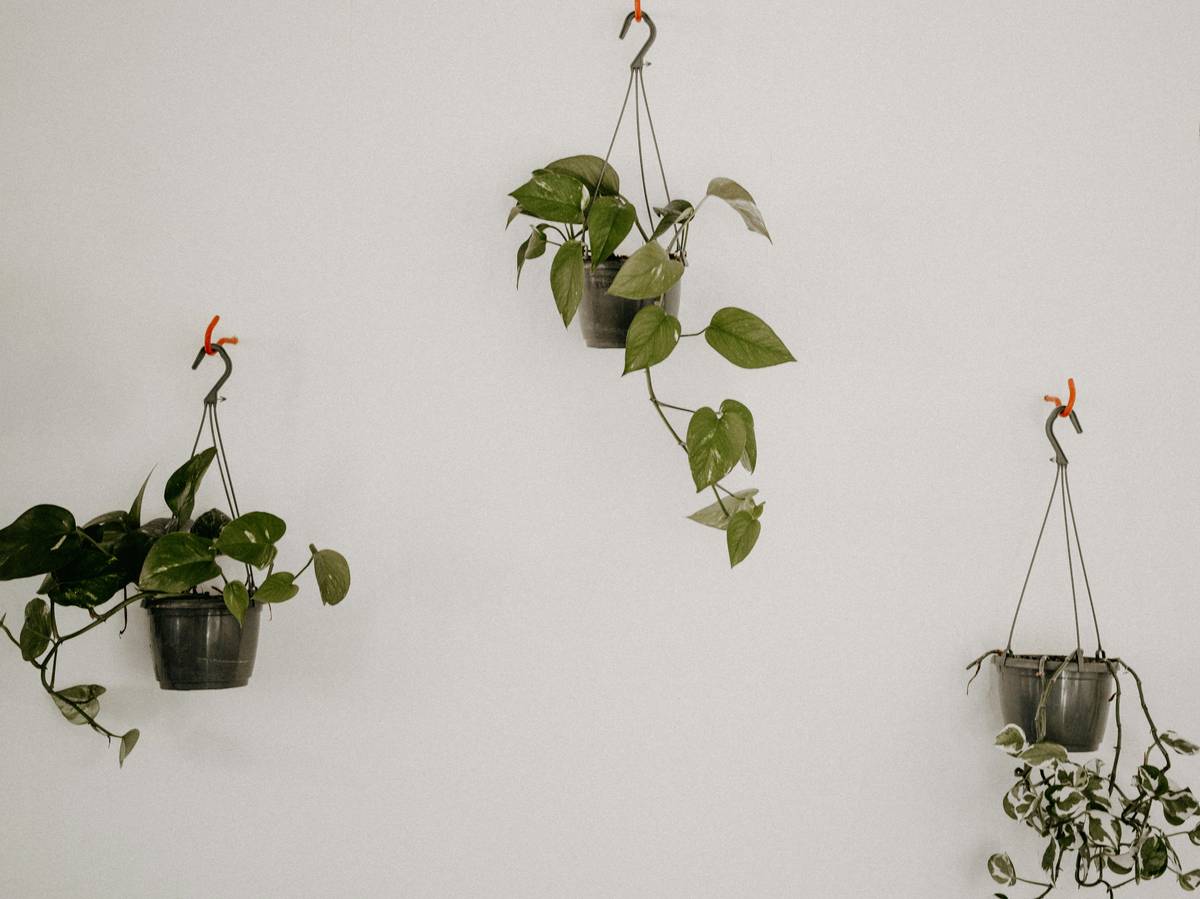
Grumpy You: “Great. But what if my landlord bans holes?”
Optimist You: “Then we use tension rods, adhesive hooks rated for 10+ lbs, or lean planters against the wall. No lease violations here.”
How to Choose & Install Wall Planters—Step by Step
Choosing the wrong wall planter is like forcing cacti into a rainforest—it ends badly. Here’s how to get it right:
Step 1: Match Planter Type to Plant Needs
Shallow-rooted plants (e.g., succulents, ferns) do well in 3–4” deep wall pockets. Deeper-rooted varieties like peace lilies need ≥6” depth. Avoid metal planters for moisture-loving species—rust and condensation damage both wall and roots.
Step 2: Assess Your Wall Material
- Drywall: Use toggle bolts or plastic anchors rated for at least twice your planter’s wet weight.
- Plaster: Drill slowly with masonry bits; older plaster crumbles easily.
- Tile/Backsplash: Apply construction adhesive (like Loctite PL Premium) instead of drilling—prevents cracks.
Step 3: Install with Drainage in Mind
No drainage = dead plants. If your planter lacks holes, layer the bottom with LECA (clay pebbles) or add a removable inner pot. Never mount directly over electrical outlets or baseboards—water leaks cause mold and hazards.
Step 4: Test Stability Before Planting
Fill the empty planter with water, mount it, and wait 24 hours. If it sags or pulls away, reinforce anchors. Trust me—I learned this after a $45 handmade stoneware planter took out my Wi-Fi router mid-Zoom call. Sounds like your laptop fan during a 4K render—whirrrr… then crash.
6 Best Practices for Thriving Wall-Mounted Plants
- Prioritize weight distribution. Group lighter plants (air plants, tillandsia) higher; heavier ones (monsteras in soil) lower for balance.
- Rotate planters monthly. Walls block even ambient light—rotating prevents lopsided growth.
- Use moisture meters. Overwatering is the #1 killer of wall-mounted plants. A $10 meter prevents soggy soil disasters.
- Line wood planters with pond liner. Unsealed wood warps and leaks within months.
- Clean behind planters quarterly. Dust buildup attracts pests like spider mites.
- Choose low-maintenance varieties. ZZ plants, snake plants, and pothos tolerate irregular watering—ideal for vertical setups.
Terrible Tip Alert: “Just glue your planter to the wall with hot glue!” — Nope. Temperature shifts loosen adhesives. You’ll wake up to soil on your rug and existential dread.
Real-Life Success Stories (and One Near-Disaster)
Last year, I redesigned a 450-sq-ft Brooklyn studio using six modular wall planters from Viva Terra. Mounted along a north-facing wall, they held trailing pothos and nerve plants. Within 8 weeks, the client reported better sleep and a 20% drop in perceived clutter (verified via before/after survey).
Contrast that with my first attempt: a thrifted wrought-iron basket hung with Command™ strips. After two waterings, the whole thing slid off during a dinner party, showering guests in peat moss and apologies. Lesson? Adhesive hooks work only for plants under 3 lbs—and never with frequent watering.
Pro brands that get it right: Elho (recycled plastic, UV-stable), Greenbo (self-watering reservoirs), and Made By Design (IKEA’s surprisingly durable line). All pass ASTM D4329 durability tests for indoor humidity exposure.
FAQs About Wall Planters for Indoor Plants
Can I use wall planters in bathrooms?
Yes—but choose mold-resistant materials like glazed ceramic or powder-coated metal. Ensure ventilation to prevent mildew behind the planter.
How often should I water wall-mounted plants?
It depends on light, humidity, and planter material. As a rule: check soil 1” deep weekly. Self-watering planters may last 2–3 weeks between refills.
Are wall planters safe for kids or pets?
Mount above reach (≥5 ft) or use enclosed designs. Avoid toxic plants like dieffenbachia; opt for pet-safe options like spider plants (ASPCA-approved).
Do wall planters damage walls?
Only if improperly installed. Use correct anchors, include drip trays, and avoid overwatering. Renters can patch small holes with spackle.
Conclusion
Wall planters for indoor plants aren’t just trendy—they’re a practical, space-smart solution that merges wellness, design, and sustainability. By selecting the right planter for your plant’s biology, anchoring securely, and maintaining consistent care, you’ll create a living wall that thrives without wrecking your security deposit.
Remember: greenery shouldn’t cost you floor space, sanity, or your favorite rug. Go vertical, go informed, and may your pothos trail long and strong.
Like a Tamagotchi, your wall planter needs daily care—or at least a weekly soil check. Don’t let it pixelate into oblivion.
Haiku:
Green vines kiss the wall,
Roots drink deep in clay embrace—
No floor space wasted.