Wall decor that lives? Most attempts end in brown, brittle disappointment within weeks. You hang a trendy planter, forget to water it during a busy stretch—or overwater it out of guilt—and boom: dead foliage and wasted wall space. But what if your greenery didn’t demand daily attention? Enter the low white long planter: minimalist, moisture-smart, and practically bulletproof for the forgetful plant parent.
Why Traditional Wall Planters Fail (Spoiler: They’re Built for Show, Not Survival)
Designers love sleek ceramic or thin metal wall pots. They photograph beautifully. But structurally? Disaster. Tiny soil volume = rapid drying. No drainage = root rot city. And let’s be honest—most wall-mounted planters force you to wrestle with watering awkwardly overhead.
And that’s before we talk about aesthetics clashing with function. A glossy white rectangle might match your Scandi living room—but if it holds less dirt than a teacup, your snake plant won’t survive Denver’s dry winters.
How to Choose & Install a Low White Long Planter That Actually Works
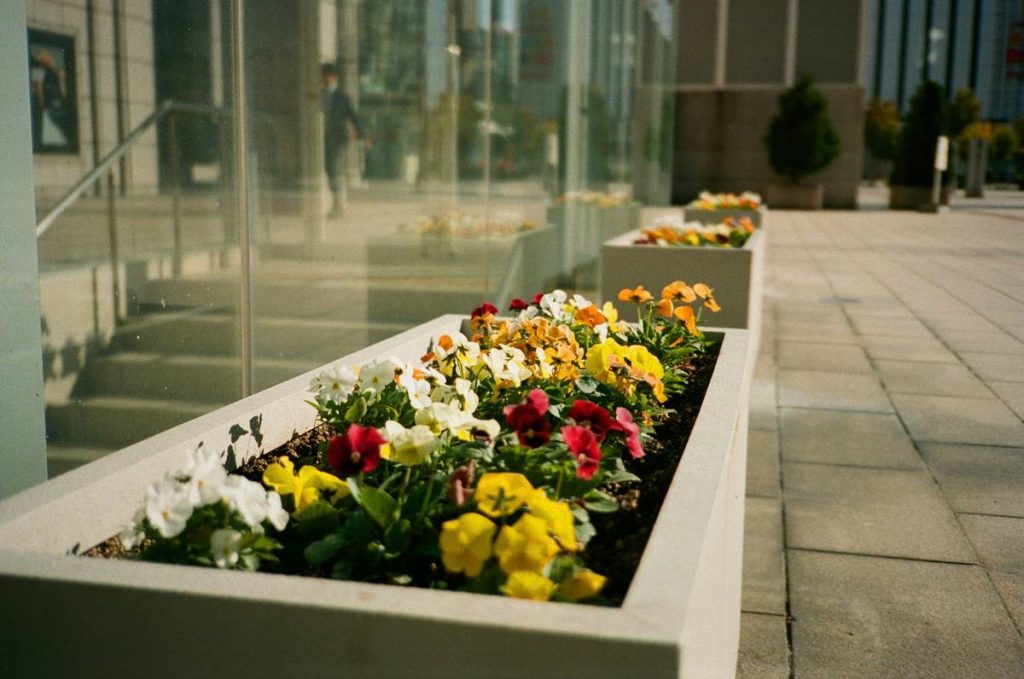
The trick isn’t just picking any slim white container. It’s engineering one that balances form, function, and foolproof hydration.
Prioritize Depth Over Drama
A “long” planter should still have at least 4 inches of depth. Anything shallower dries out too fast—even for succulents. Look for models that taper slightly inward; this retains soil moisture without suffocating roots.
Drainage Isn’t Optional—It’s Non-Negotiable
No holes? Skip it. Period. But wall-mounted drainage is tricky—you don’t want water dripping onto your credenza. Solution: pair your low white long planter with an internal reservoir or double-pot system (more on that below).
Go for Lightweight Composite Materials
Ceramic cracks in temperature swings. Cheap plastic yellows. Modern fiberstone or recycled poly blends stay crisp white, resist UV fading, and weigh 60% less—critical when mounting above eye level.
| Planter Type | Soil Volume | Water Retention | Mounting Difficulty | Best For |
|---|---|---|---|---|
| Low white long planter (fiberstone) | High (for its profile) | ★★★★☆ | Moderate | Pothos, ZZ, Snake Plants |
| Thin ceramic wall pot | Very Low | ★☆☆☆☆ | Easy | Short-term air plants only |
| Modular plastic grid system | Medium | ★★★☆☆ | Hard | Herbs (with frequent care) |
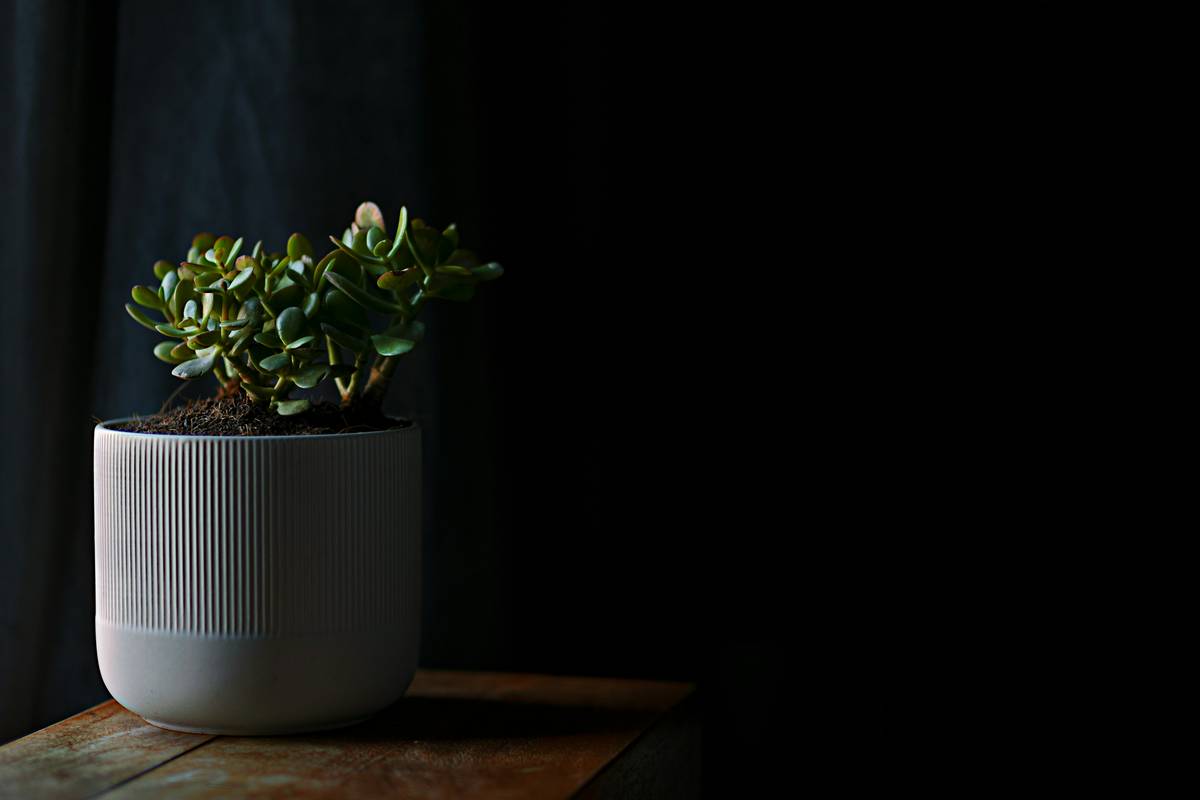
The Industry Secret: Double-Potting for Zero-Effort Hydration
Here’s what interior landscapers won’t tell you: never plant directly into your wall-mounted low white long planter. Instead, nest a standard nursery pot inside it.
Why? You get perfect drainage control—the inner pot holds excess water temporarily while letting roots breathe. When it’s time to water, just unhook the lightweight inner pot, soak it in the sink, let it drain, and slide it back. No mess. No guesswork. And your outer shell stays pristine white, year after year.
Think about it: wall planters fail because maintenance is inconvenient. Make the act of caring effortless—almost invisible—and your green wall thrives on autopilot.
Frequently Asked Questions
Can I use a low white long planter outdoors in Denver?
Only if it’s rated for freeze-thaw cycles. Most fiberstone or UV-stabilized poly versions handle Colorado springs and falls—but bring them in before sustained sub-20°F temps.
What plants survive best in a low white long planter?
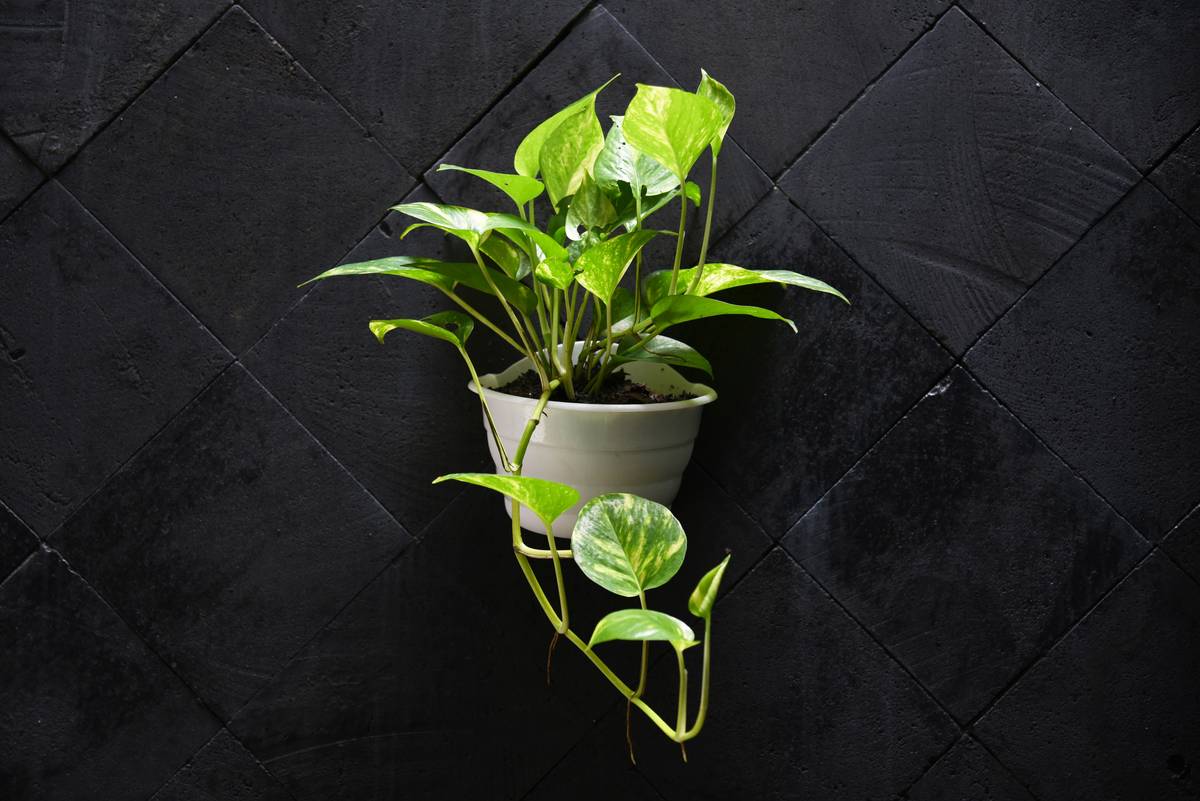
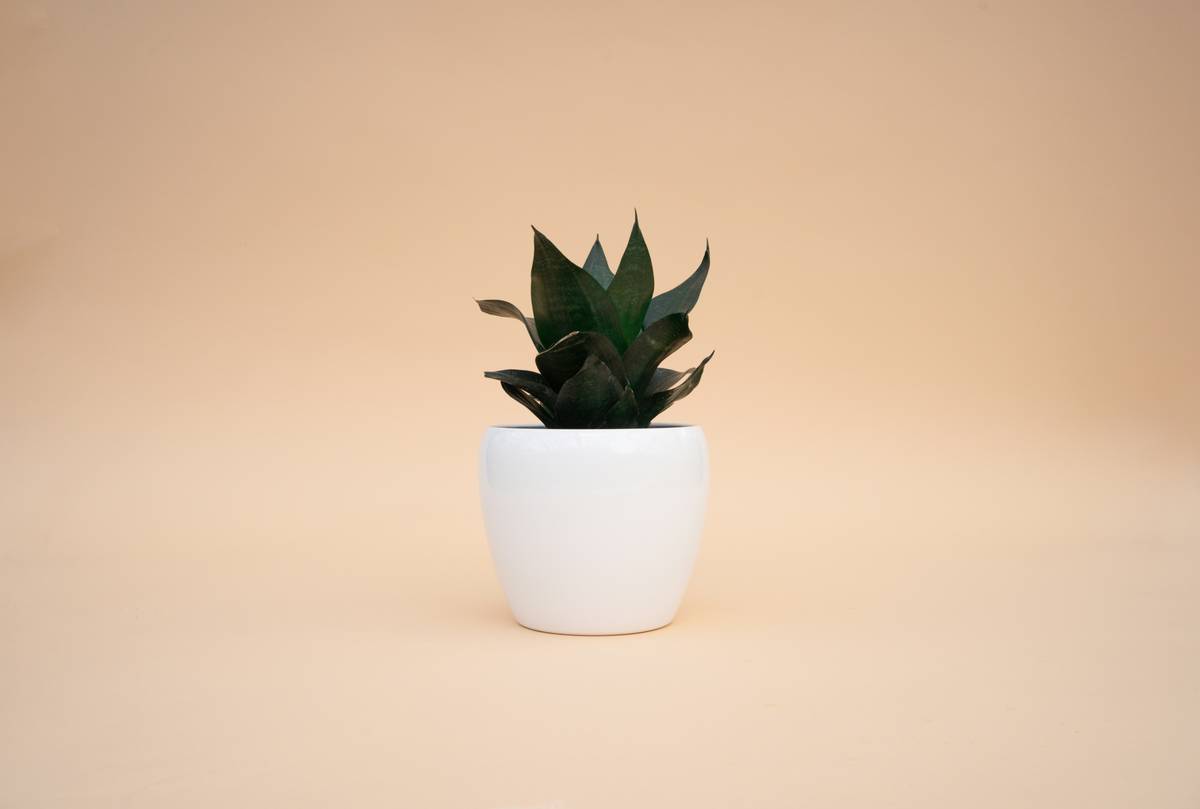
Go for drought-tolerant champions: ZZ plant, snake plant, pothos, or string of pearls. Avoid ferns or calatheas—they’ll starve for humidity on your drywall.
How do I clean white wall planters without yellowing them?
Wipe monthly with diluted vinegar (1:4 with water). Never use bleach—it degrades polymers and accelerates discoloration, especially in direct sun.