Want lush walls or tidy garden edges—but hate watering daily, pruning weekly, or replacing dead plants monthly? You’re not alone. Most “easy-care” planters end up brown and brittle within weeks. The good news? True low maintenance planter beds exist—if you know how to build and stock them right.
Why Most DIY Planter Beds Fail Within 60 Days
People slap together wood boxes, toss in cheap potting mix, and hope for the best. It rarely works. Drainage is terrible—or nonexistent. Soil dries out in summer sun but stays soggy after spring rains. And the plants? Often chosen for looks, not resilience.
And that’s before Colorado’s erratic weather swings hit—sudden hail, dry winds, or 70°F one day and snow the next. Standard setups crumble under real-world conditions.
How to Build & Maintain Low Maintenance Planter Beds That Last Years
Forget “set it and forget it.” The real secret is **smart design + ruthless plant selection**. Here’s how to do it right:
Pick the Right Frame Material
Cedar lasts 10+ years untreated. Composite lumber resists warping. Avoid pine—it rots fast unless pressure-treated (and even then, chemicals can leach into soil). Metal? Only if powder-coated; otherwise, rust ruins everything.
Engineer Drainage Like a Pro
No drainage = drowned roots = dead plants. Drill ½-inch holes every 6 inches along the bottom. Then add a 2-inch layer of gravel or broken pottery shards. This isn’t optional—it’s non-negotiable.
Choose Plants That Thrive on Neglect
Sedum, hens-and-chicks, lavender, yarrow, and creeping thyme don’t just survive drought—they prefer it. Skip ferns, impatiens, or anything labeled “moist soil.” In Denver’s semi-arid climate, thirsty plants are maintenance traps.
| Approach | Upfront Cost | Water Needs | Lifespan (Plants) | Maintenance Level |
|---|---|---|---|---|
| Traditional Wood Box + Annuals | $80–$150 | 3–4x/week | 3–6 months | High |
| DIY Cedar Bed + Succulents | $120–$200 | Once/week (summer), once/month (winter) | 3–5+ years | Low |
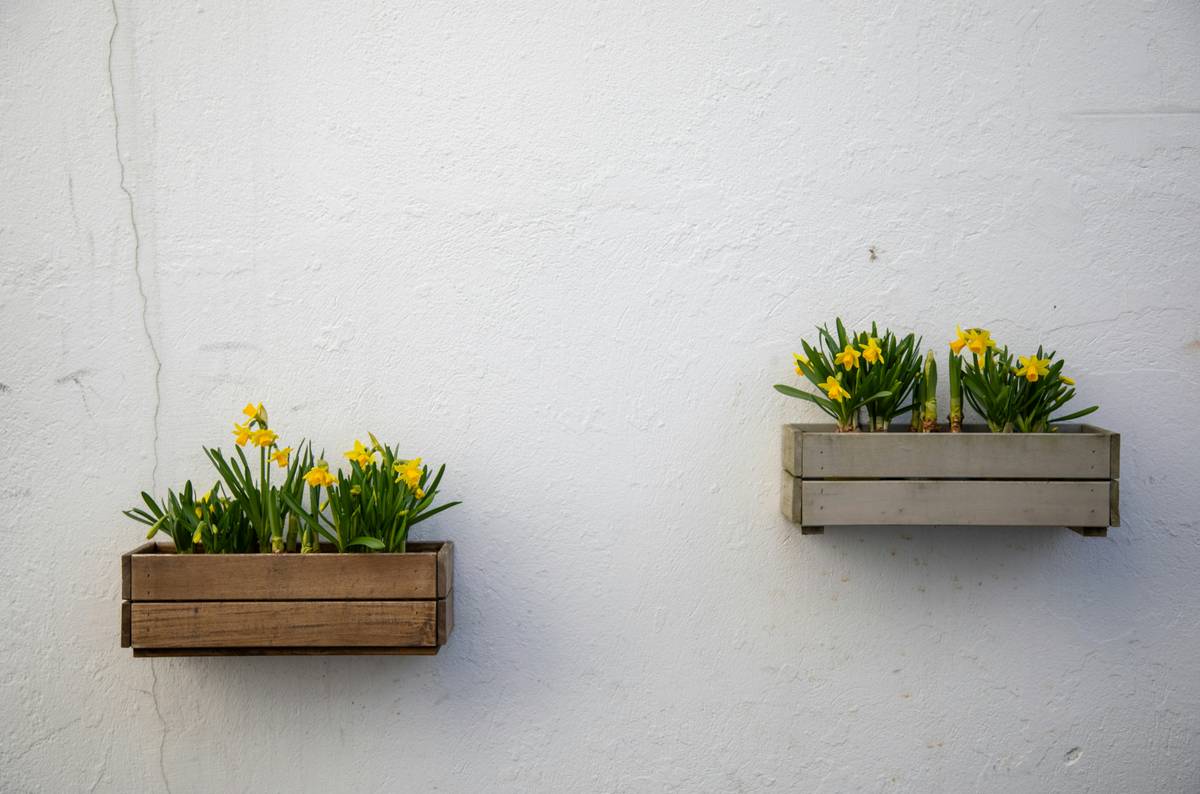
| Modular Wall Planter + Drought-Tolerant Perennials | $200–$350 | Every 5–7 days | 5+ years | Very Low |
The Industry Secret: It’s Not About Plants—It’s About Soil Physics
Here’s what nurseries won’t tell you: most “potting mixes” are peat-heavy—which repels water once dry. After one dry spell, your soil turns hydrophobic. Water just runs off the surface.
The fix? Blend in 30% coarse perlite and 20% compost. This creates air pockets and capillary action that pulls moisture deep—even during Denver’s dry spells. I’ve seen clients cut watering by 60% just by changing their soil recipe. The math is simple: better soil structure = less work forever.
Frequently Asked Questions
What’s the easiest plant for low maintenance planter beds in Colorado?
Sedum ‘Autumn Joy’—drought-tolerant, deer-resistant, and blooms late season. Zero fuss.
Do I need to fertilize these planters?
Once a year in early spring with slow-release organic granules. Over-fertilizing invites pests and weak growth.
Can I install low maintenance planter beds on a balcony?
Absolutely. Use lightweight composite frames and ensure proper drainage—weight and runoff are your only limits.