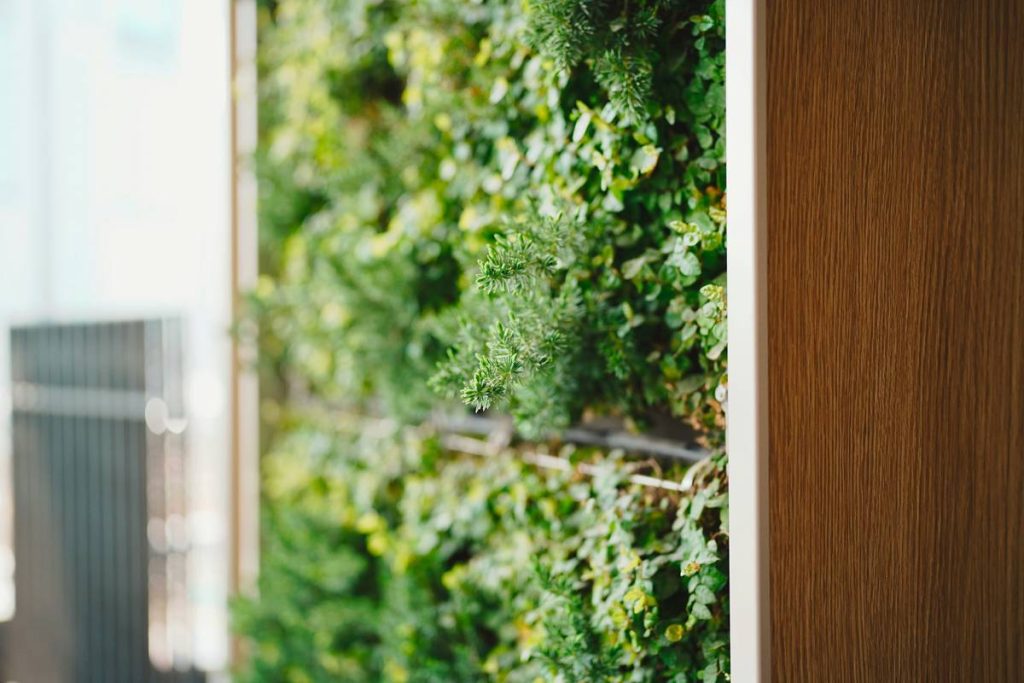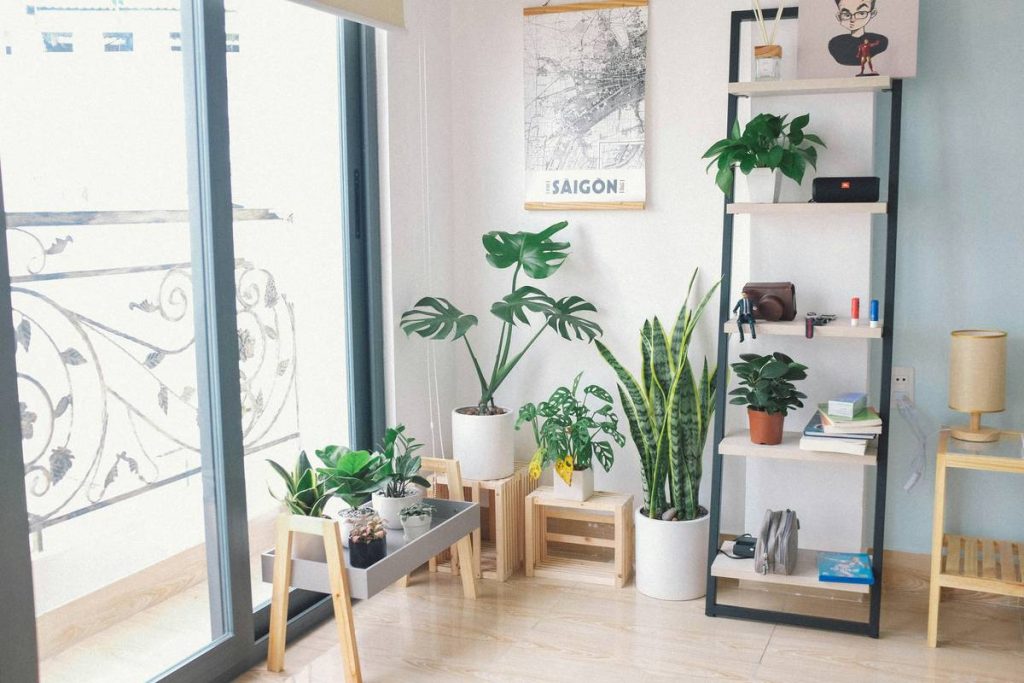
You bought gorgeous trailing pothos. You hung a trendy wall planter. Two weeks later—brown leaves, soggy soil, and regret. Why? Most wall planters are built for aesthetics, not biology. They ignore drainage, root space, and light angles. But what if your vertical garden could thrive—not just survive? The right wall planters for live plants blend design with plant physiology. Let’s fix this once and for all.
Why Most Wall Planters Fail Live Plants
Manufacturers chase Instagrammable looks. Not root health. Not airflow. Not water egress.
Result? Root rot in ceramic cups. Mold in sealed MDF boxes. And let’s not talk about those suction-cup horrors that slide off tile like greased butter. The core issue isn’t your green thumb—it’s the vessel. Live plants need breathing room, proper depth, and unobstructed drainage. Standard wall decor ignores all three.
And here’s the kicker: even “self-watering” models often drown roots by trapping moisture against walls. Your home isn’t a terrarium.
How to Choose & Install Wall Planters for Live Plants That Last
Material Matters More Than You Think
Ceramic looks luxe—but cracks in freeze-thaw cycles. Plastic? Lightweight but fades fast in sun. Teak or powder-coated steel handles Denver’s dry winters and intense UV better. Pro tip: avoid anything porous unless it’s glazed inside.
Drainage Isn’t Optional—It’s Non-Negotiable
No drain hole = death sentence. Period. If your favorite planter lacks one, drill it yourself. Use a masonry bit for ceramics, a spade bit for wood. Then add a mesh screen so soil doesn’t wash out. Skip saucers—they trap water against your wall.
Mounting Must Match Your Wall Type
Drywall? Use toggle bolts. Brick or concrete? Go masonry anchors. Flimsy nails in plaster? Don’t bother. Your planter should hold 3x the wet weight of soil + plant. Test with a full watering before hanging.
| Planter Type | Best For | Drainage Needed? | Avg. Cost | Denver Durability Score (1-5) |
|---|---|---|---|---|
| Ceramic Wall Pocket | Low-light ferns, moss | Yes (drill required) | $22–$45 | 2 |
| Powder-Coated Metal Tiered | Succulents, herbs, trailing vines | Built-in | $35–$68 | 5 |
| Reclaimed Wood Planter Box | Herbs, small shrubs | Add gravel layer + screen | $40–$75 | 4 |
| Plastic Geometric Pods | Temporary displays only | Rarely included | $12–$28 | 1 |

The Industry Secret: Angle Over Aesthetics
Here’s what no retailer tells you: tilt matters more than shape. Plants grow toward light—not straight down. Yet 90% of wall planters hang vertically, forcing stems to twist awkwardly or stretch sideways.
The fix? Mount planters at a 15–25° forward tilt. This aligns root zones with natural light paths and lets excess water escape without soaking your baseboard. Bonus: tilted planters appear fuller because foliage cascades naturally. I’ve seen clients double their plant survival rate just by adjusting hangers with simple L-brackets. It’s physics—not magic.
Frequently Asked Questions
Can I use regular pots in wall-mounted holders?
Only if they have drainage and aren’t top-heavy. Terracotta often tips forward—use lightweight plastic nursery pots nested inside decorative sleeves.
How often should I water wall-mounted live plants?
Less than floor plants. Airflow increases evaporation, but poor root space dries soil unevenly. Stick your finger in weekly—water only when the top inch is dry.
Are wall planters safe for painted walls?
Yes—if installed correctly. Use rubber washers between brackets and walls to prevent scratches. Avoid overwatering; moisture wicking into drywall causes peeling.