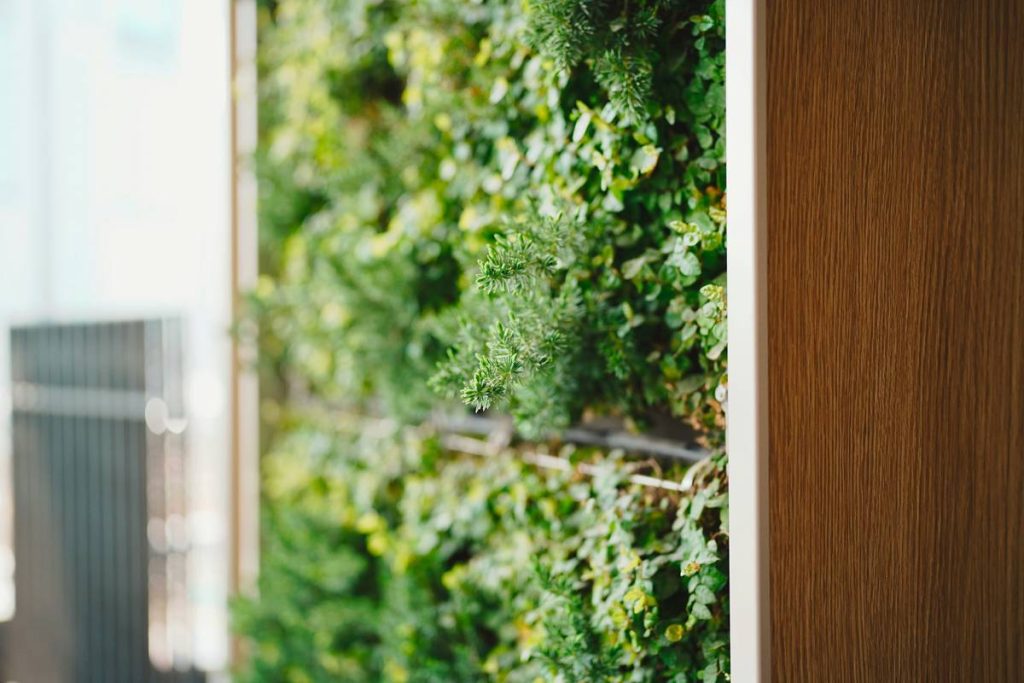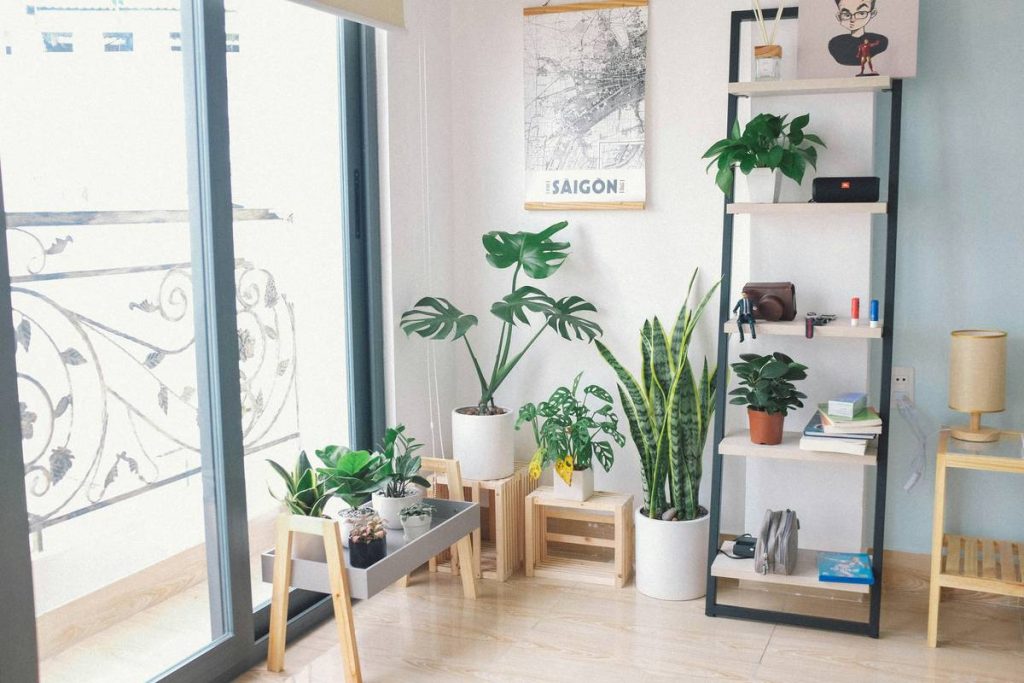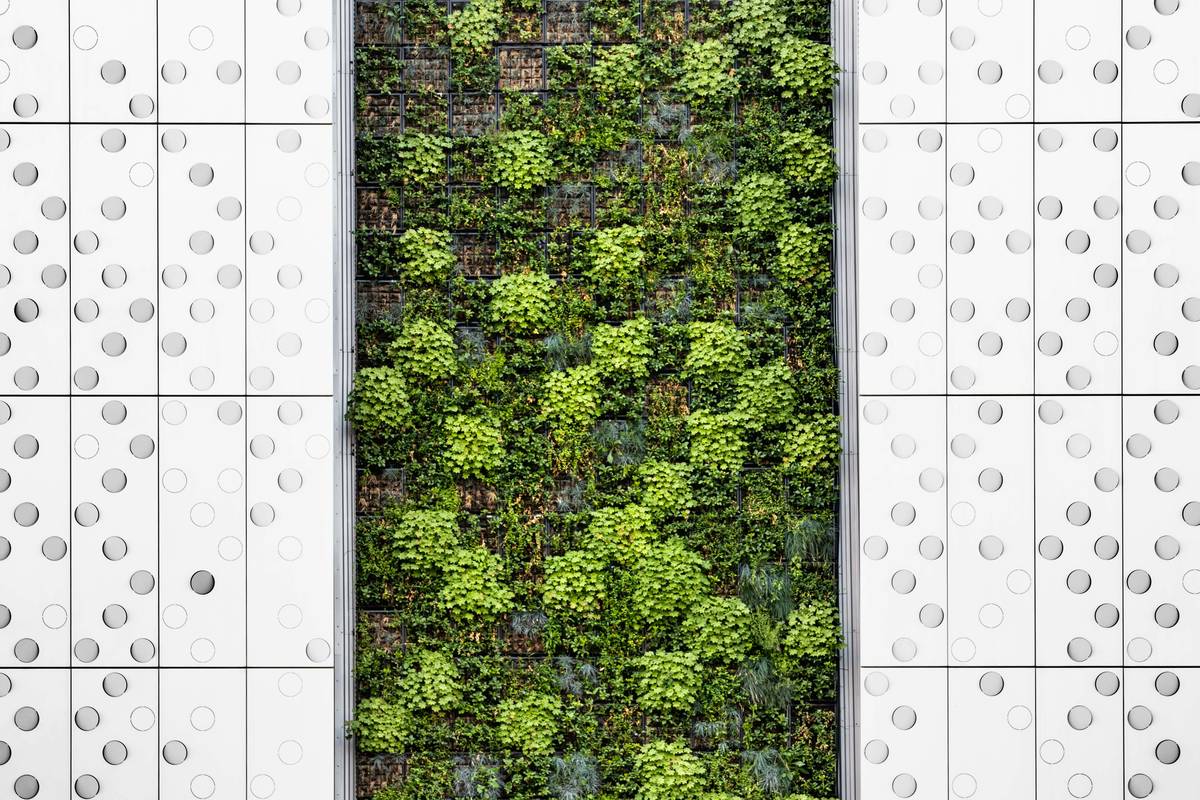
Most homeowners with limited yard space think lush greenery is off-limits. They cram pots on balconies—only to watch soil spill over railings during rain or plants wilt from poor airflow. Here’s the fix: garden wall planters outdoor turn blank vertical surfaces into thriving micro-gardens. No wasted square footage. No clutter. Just clean, living architecture.
Why Traditional Pots (and Cheap Wall Planters) Fail Outdoors
Standard plastic or ceramic pots crack under freeze-thaw cycles. And those flimsy “wall-mounted” planters you find at big-box stores? They leak within weeks—rotting siding or stucco underneath. Worse, they ignore drainage physics. Water pools, roots suffocate, and your herbs die looking thirsty despite being soaked.
And most DIY solutions—like repurposed gutters or shoe organizers—sacrifice aesthetics for function. You end up with a sad salad bar clinging to your fence, not a design statement.
Garden Wall Planters Outdoor: Your Step-by-Step Setup Guide
Installing outdoor wall planters isn’t about drilling holes and hoping for the best. It’s about matching material, structure, and plant needs. Here’s how to do it right:
Choose Materials That Survive Denver’s Climate Swings
Wood warps. Metal rusts. Thin resin cracks. Go for fiberglass-reinforced polymer or powder-coated aluminum—they handle -10°F winters and 95°F summers without fading or degrading. Bonus: they’re lightweight, so your wall anchors won’t strain.
Prioritize Drainage Over Decor
A planter without a visible drainage channel is a death trap. Look for slots—not just holes—at the base. Even better: choose models with internal reservoirs that wick excess moisture away. Your succulents and herbs will thank you.
Anchor Like a Pro (Not a Weekend Warrior)
Drywall anchors won’t cut it outdoors. Use stainless steel masonry screws for brick or concrete. For wood siding, hit the studs—every time. One loose planter in a hailstorm becomes a projectile. Don’t risk it.
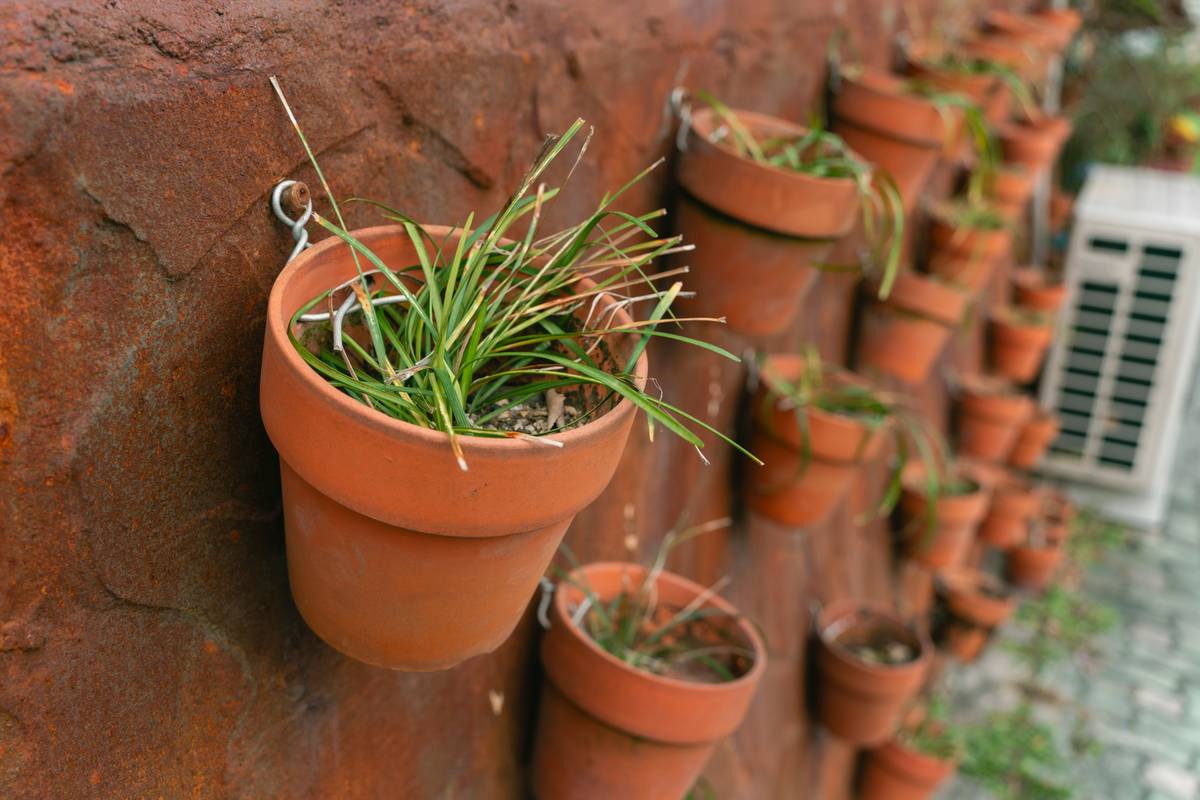
| Planter Type | Upfront Cost | Lifespan (Years) | Best For |
|---|---|---|---|
| Fiberglass Composite | $45–$80 | 8–12 | Full sun, high wind zones |
| Powder-Coated Aluminum | $60–$110 | 10+ | Modern homes, minimalist styles |
| Cedar Wood (Treated) | $35–$65 | 4–6 | Rustic looks, shaded walls only |
| Recycled Plastic | $20–$40 | 2–3 | Temporary use, budget trials |
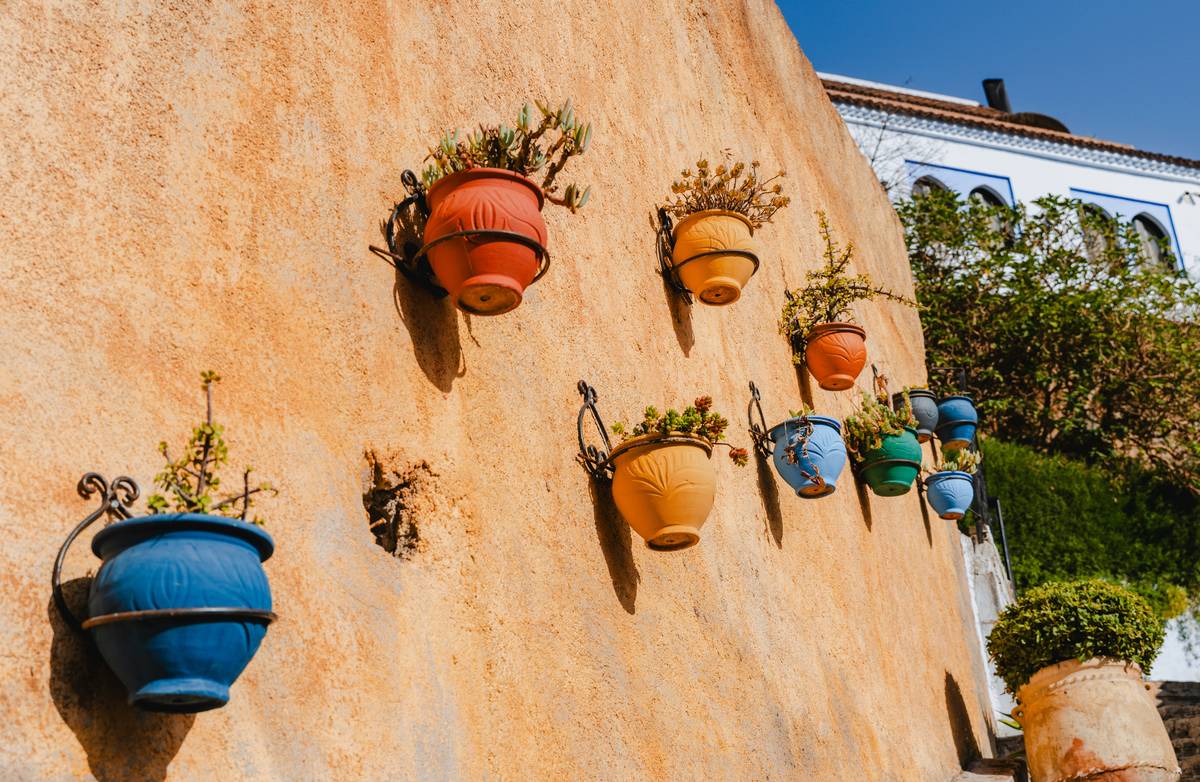
The Industry Secret: Mix Function With “Controlled Neglect”
Here’s what landscape designers won’t tell you: the best outdoor wall planters thrive on intentional neglect. Pick drought-tolerant species like sedum, creeping thyme, or oregano. They don’t need daily watering—and actually suffer if over-coddled. Pair them with self-watering inserts, and you’ve got a system that survives two-week vacations. In Denver’s dry climate, less fuss equals more foliage. The math is simple: low-maintenance plants + smart planter design = year-round greenery without babysitting.
Frequently Asked Questions
Can garden wall planters outdoor survive Colorado winters?
Yes—if made from frost-resistant materials like fiberglass or metal. Avoid terra cotta or untreated wood. Empty soil before deep freeze to prevent cracking.
How high should I mount outdoor wall planters?
Aim for 36–60 inches from the ground. High enough to deter pests, low enough to water easily. Never install above eye level unless using drip irrigation.
Do wall planters damage house siding?
Only if poorly installed. Use spacers to create airflow behind the planter. This prevents moisture buildup and protects wood, stucco, or vinyl siding long-term.