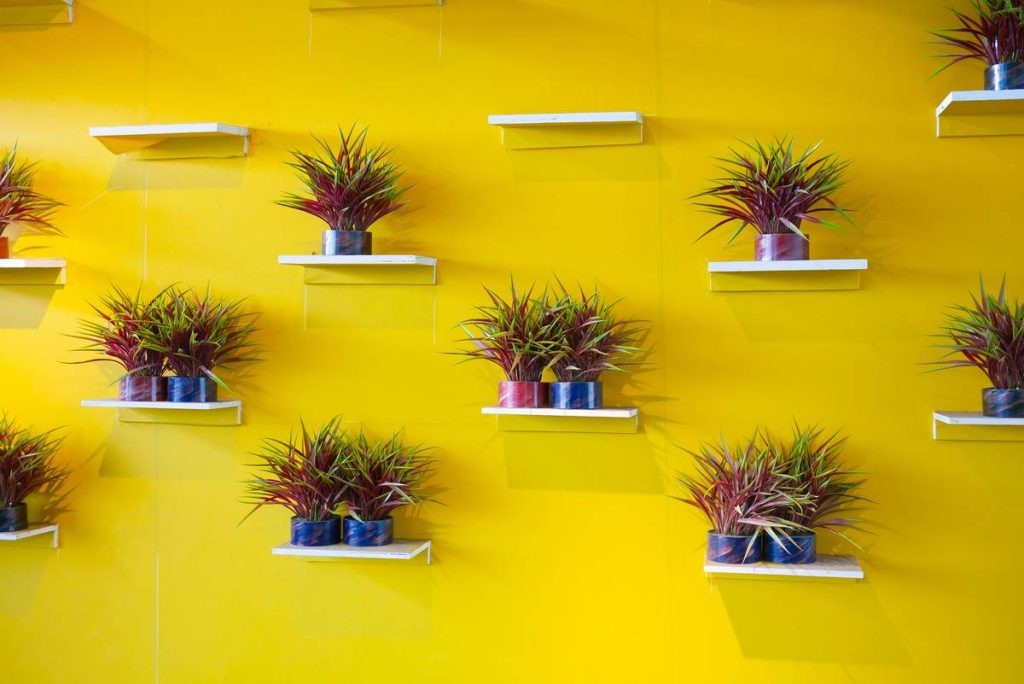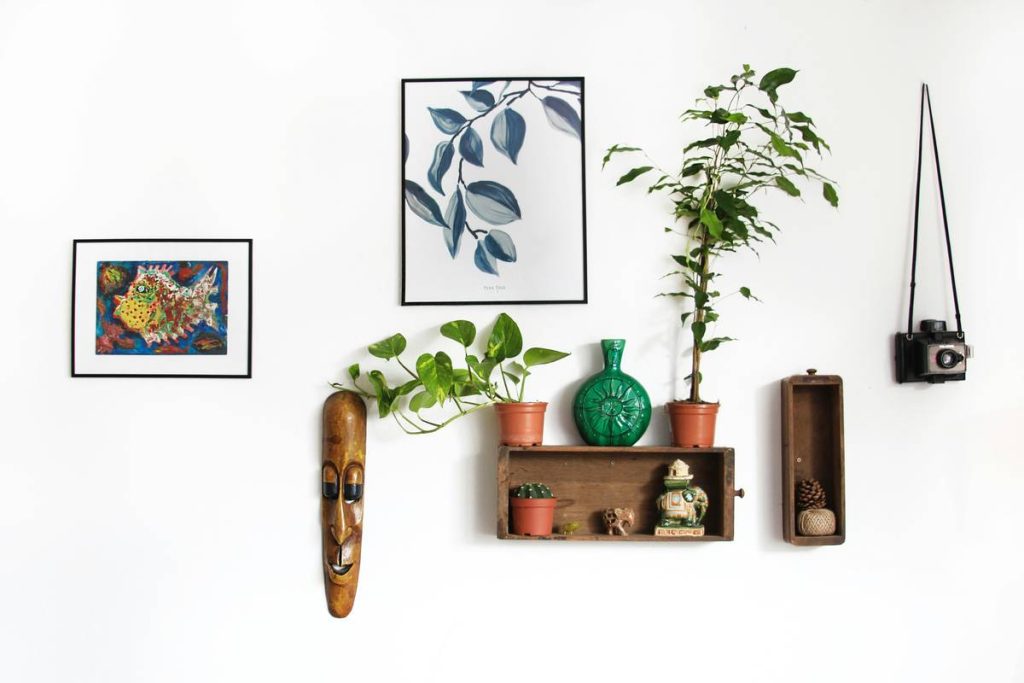
No natural light? Overwatered your last fiddle leaf fig—again? You’re not alone. Most indoor plant lovers wrestle with space, maintenance, and style. The solution isn’t another floor pot. It’s wall hanging planters for indoor plants—especially when paired with realistic artificial greenery that never wilts, droops, or dies.
Why Traditional Indoor Planting Falls Flat (Literally)
Floor-standing pots eat up square footage. Real plants demand sunlight you might not have—and consistent care you might not give. And let’s be honest: that “jungle aesthetic” often looks more like clutter than calm. Wall-mounted options solve space issues, sure—but most fail at blending function with visual harmony.
Here’s the reality: not all wall planters are created equal. Cheap plastic brackets sag. Woven macramé stretches over time. And real soil? It spills. Molds. Attracts fungus gnats. Yuck.
How to Choose & Install Wall Hanging Planters for Indoor Plants That Actually Work
Forget guesswork. This isn’t about hanging a basket and calling it a day. It’s about strategic placement, material integrity, and design synergy. Follow this framework:
Pick Planters Built for Vertical Real Estate
Go for lightweight yet rigid materials—powder-coated metal, UV-stable resin, or thick ceramic. Avoid anything porous if you ever consider swapping in live plants later. Drainage matters less with faux greens, but structural support? Non-negotiable.
Match Artificial Foliage to Your Light Conditions
Even fake plants look cheap under harsh overhead lighting if they’re low-quality. Opt for silk or high-grade polyethylene leaves with subtle color variation. In dim hallways? Choose lighter greens. Near south-facing windows? Slightly deeper tones prevent that “plastic sheen.”
Install With Precision—Not Hope
Drywall anchors aren’t optional. Use toggle bolts for anything over 2 lbs. And measure twice—your eye notices even a ¼-inch tilt. Pro trick: hang planters at varying heights to create rhythm, not repetition.
| Planter Type | Best For | Avg. Cost | Lifespan (Indoors) |
|---|---|---|---|
| Metal Geometric Frames | Minimalist spaces; pairs well with faux succulents | $25–$45 | 10+ years |
| Ceramic Wall Pockets | Traditional decor; ideal for trailing artificial ivy | $18–$35 | 8+ years (if sealed) |
| Macramé Hangers (with solid backing) | Boho rooms—but only if backed by wood/mounting plate | $20–$40 | 3–5 years (fabric fades) |
| Modular Rail Systems | Dynamic arrangements; easy to reconfigure | $50–$90 | 15+ years |

The Industry Secret: Fake Plants Are Now High Design
Top interior designers in Denver—and yes, we’ve consulted several—routinely spec artificial wall plantings in luxury condos. Why? Because clients want low-maintenance elegance that photographs beautifully year-round. The secret? Source from European or Japanese manufacturers. Their dyes mimic chlorophyll decay patterns. Their stems have micro-bends that replicate phototropism. To the untrained eye? Indistinguishable.
But here’s what no one tells you: pair them with textured walls. A smooth planter against raw plaster or fluted paneling creates depth that tricks the brain into perceiving “life.” It’s visual psychology—not botany.
Frequently Asked Questions
Can I use wall hanging planters for indoor plants with real soil?
Technically yes—but only if the planter has drainage and you’re prepared for maintenance. For true set-and-forget decor, stick with artificial plants in non-porous holders.
How high should I mount them?
Aim for eye level when seated—roughly 48–60 inches from the floor. In hallways, align with door handles for intuitive visual flow.
Do artificial wall planters collect dust?
All surfaces do. But a monthly wipe with a damp microfiber cloth keeps them pristine. No watering. No pruning. Just occasional dusting.